
Transform Your Body: Nutrition Blueprints for Peak Male Performance
Discover science-backed nutrition strategies designed specifically for men's fitness goals. Learn how to fuel your workouts, optimize recovery, and build the physique you want through intelligent eating.

The information on this site is for educational purposes only and does not constitute medical advice. Always consult a qualified healthcare professional before making health decisions.
Why Nutrition Strategy Matters More Than Workouts
Your training is only half the equation. What you eat determines how your muscles grow, how quickly you recover, and how sustainable your results truly are.
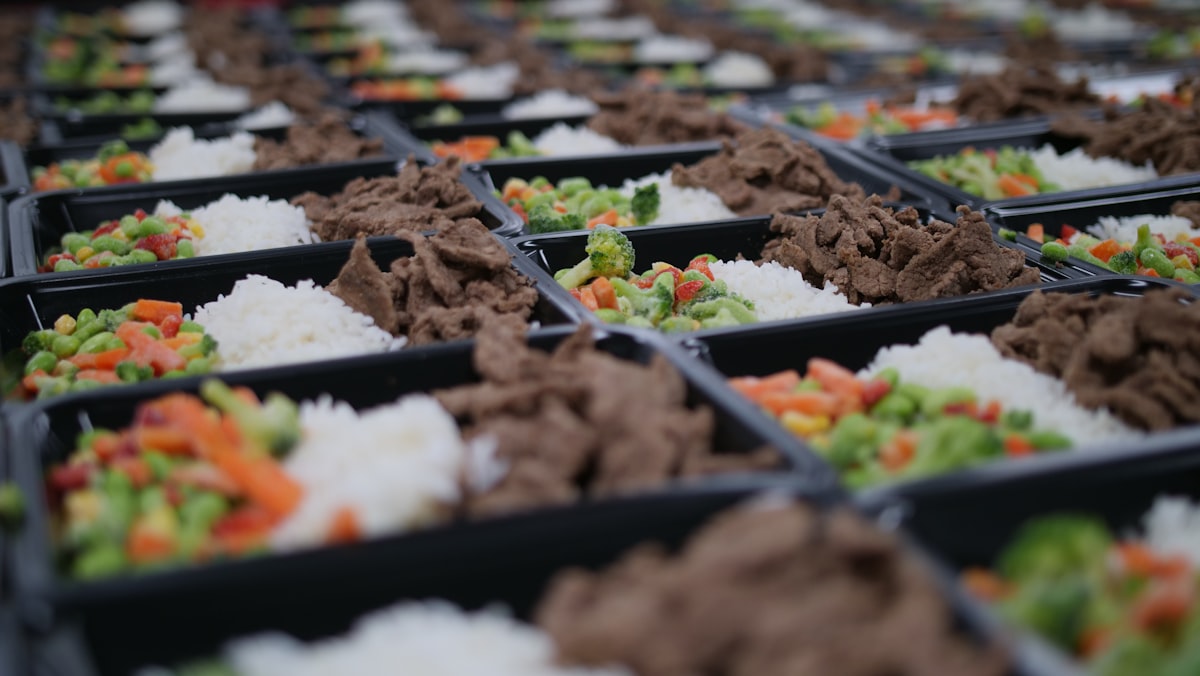
The Foundation of Every Physique
Building muscle requires more than heavy weights. You need adequate protein intake to repair muscle fibers, carbohydrates for energy and performance, and healthy fats for hormone production. When nutrition aligns with your training, results accelerate dramatically.
- Protein Optimization: Discover your ideal daily intake based on body weight and goals
- Caloric Precision: Learn whether you need surplus for growth or deficit for leanness
- Meal Timing: Understand pre-workout and post-workout nutrition science
- Hydration Strategy: Optimize fluid intake for performance and recovery
Without a solid nutritional foundation, even the best training program yields mediocre results. Athleticbodyfuel helps you build that foundation through evidence-based strategies tailored for your specific fitness objectives.
Core Nutrition Strategies for Your Goals
Muscle Building Nutrition
Gain quality mass with a structured approach to caloric surplus, protein distribution, and nutrient-dense food choices. Learn exactly how many calories you need and which foods provide the best nutritional density for growth.
- Daily protein targets (0.8-1g per lb bodyweight)
- Caloric surplus calculation methods
- Best foods for lean muscle growth
- Meal frequency optimization
Fat Loss Nutrition
Lose body fat while preserving muscle mass through intelligent caloric deficit management and macronutrient balance. Discover how to maintain performance in the gym while reducing overall body weight.
- Deficit sizing (mild vs aggressive approaches)
- Protein preservation during cuts
- Appetite management strategies
- Refeed timing and execution
Performance Nutrition
Maximize workout intensity and recovery through strategic nutrient timing and supplemental strategies. Fuel harder workouts, recover faster, and maintain consistent progress over time.
- Pre-workout meal composition
- Intra-workout hydration strategies
- Post-workout recovery nutrition
- Sleep optimization through nutrition
Real Food Principles
Build sustainable nutrition habits using whole, unprocessed foods. Learn which ingredients provide the most nutritional value and how to construct satisfying, effective meals from basic components.
- Whole grain selection and preparation
- Protein source comparison
- Vegetable and micronutrient diversity
- Food quality and sourcing guidelines
Nutrition Tracking
Master the skill of food logging and macro monitoring to understand your actual intake. Learn which tracking tools work best and how to identify patterns that affect your results.
- Macro tracking methodology
- Food scale usage and accuracy
- App selection and data entry
- Adjusting based on results
Advanced Topics
Go deeper with advanced nutrition concepts for intermediate and experienced fitness enthusiasts. Explore periodization strategies, nutrient partitioning, and optimization for specific body composition goals.
- Reverse dieting and metabolic adaptation
- Nutrient timing science
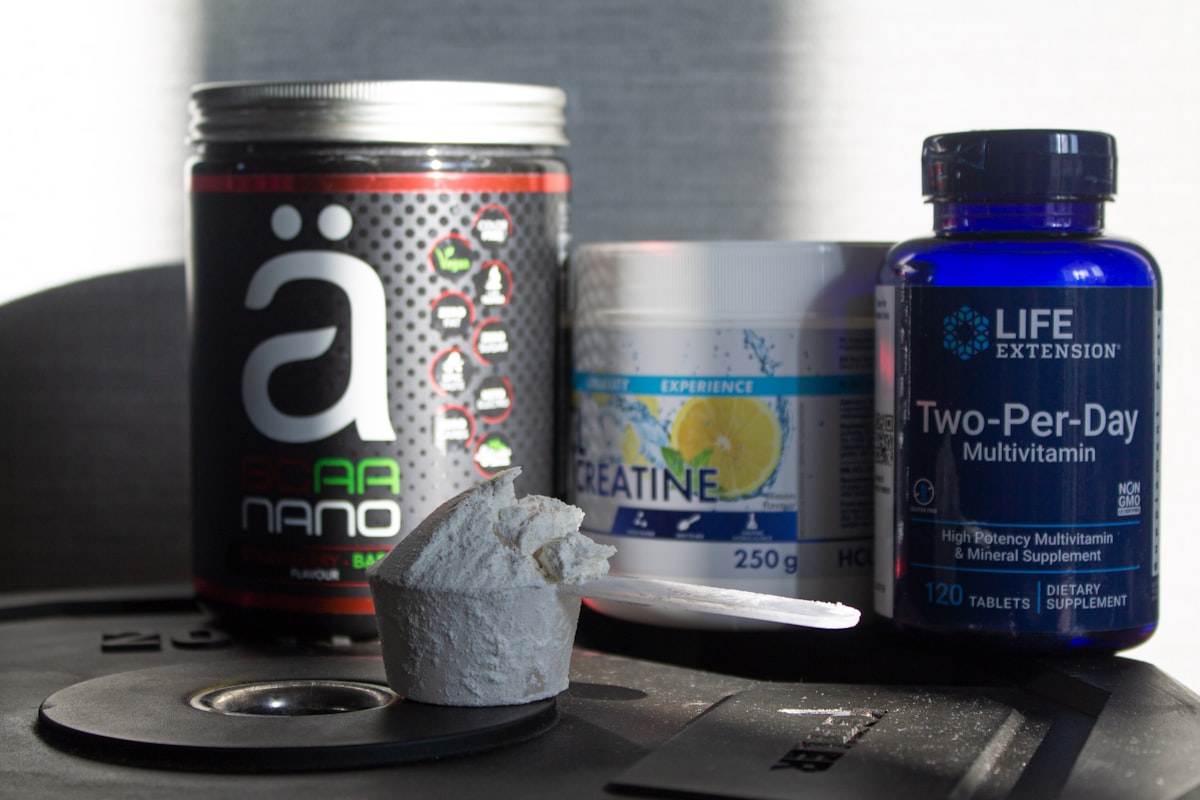
- Supplementation strategy
- Individual variability factors
Common Questions About Men's Nutrition Plans
Find answers to the most frequently asked questions about nutrition strategy, meal planning, and fitness nutrition optimization.
The research-backed recommendation for muscle building is 0.7-1.0 grams of protein per pound of body weight daily. For a 180-pound man, this means 125-180 grams per day. This amount ensures adequate amino acids for muscle protein synthesis. The exact amount depends on your training intensity, experience level, and overall caloric intake. Complete protein sources include meat, fish, eggs, dairy, and legume combinations. Spreading protein evenly across 4-5 meals optimizes muscle building throughout the day.
Transformation Stories from Real Athletes
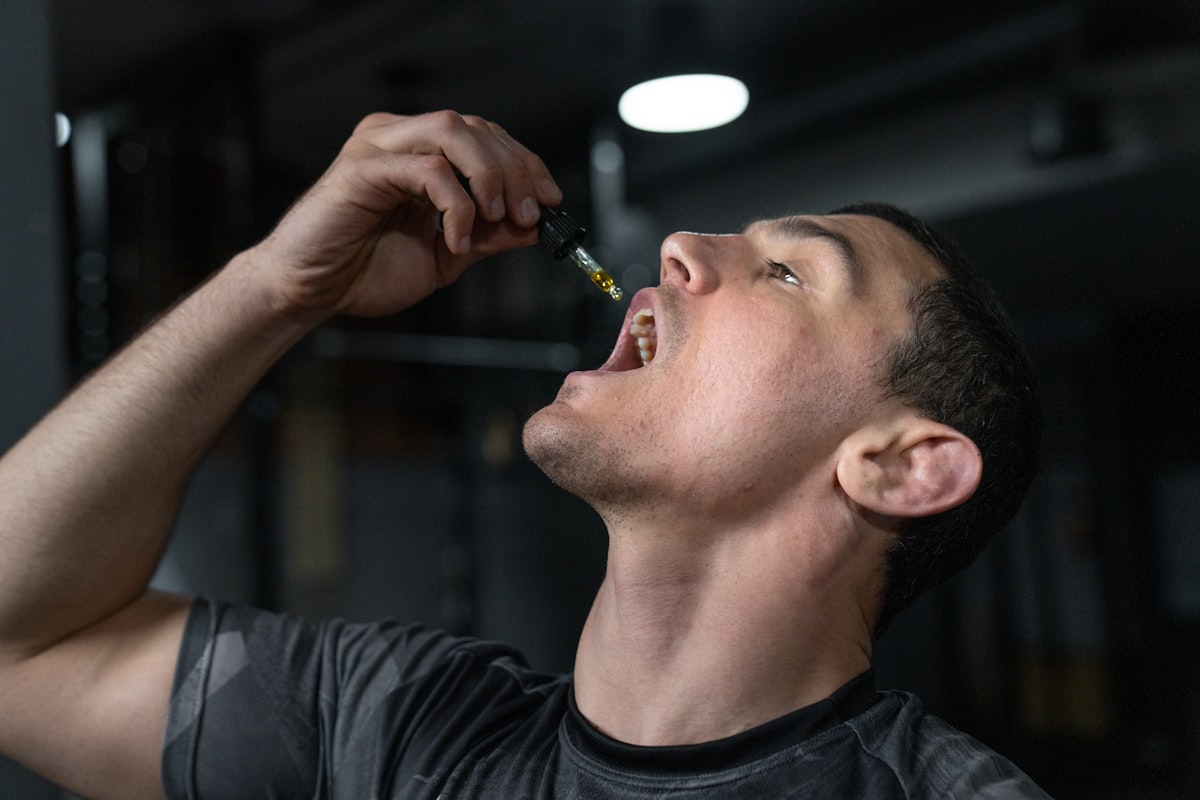
Marcus G.
Madrid, Spain
"I was training hard but not seeing results because my nutrition was all over the place. Learning proper caloric intake and protein distribution changed everything. I gained 12 pounds of muscle in three months while actually feeling stronger in every workout. The meal prep guide made consistency effortless."

Diego R.
Barcelona, Spain
"I dropped significant weight of body fat in five months without losing strength at all. The nutrition strategy taught me exactly how many calories to eat and which foods to prioritize. I have more energy now than I did at my heaviest, and my abs are finally visible. This information is life-changing."

Antonio V.
Valencia, Spain
"After reading the nutrition plans, I realized I was eating only 90 grams of protein daily—way too low. Hitting 180 grams per day transformed my results. My strength skyrocketed, my muscle definition improved dramatically, and I finally look like someone who actually trains. The science-based approach just works."
Pablo M.
Seville, Spain
"As a competitive athlete, I needed my nutrition dialed in perfectly. The performance nutrition section gave me actionable strategies for pre-workout fueling and post-workout recovery. My workout performance improved 20 percent, and I finally understand the science behind meal timing. Highly recommend to any serious athlete."
Carlos D.
Bilbao, Spain
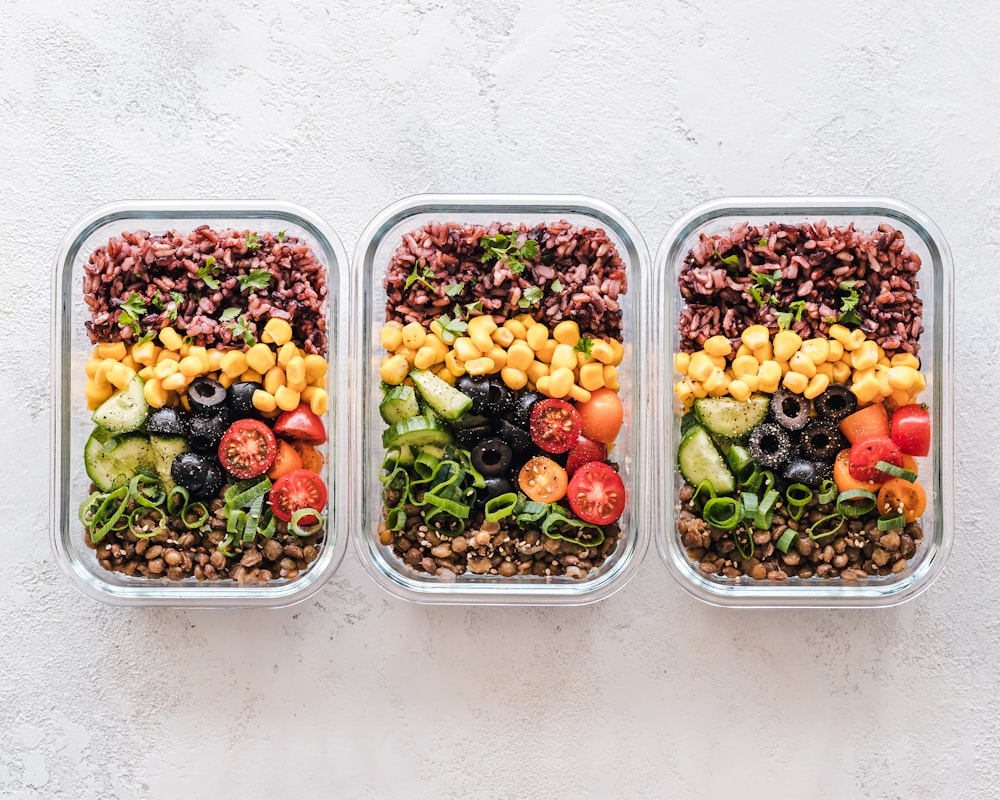
"I was completely lost when I started training seriously. The beginner-friendly nutrition guides made everything clear. I learned exactly what to eat, when to eat, and why it matters. After four months of applying these principles, my friends barely recognize me. My confidence is through the roof."

Juan H.
Málaga, Spain
"I'm doing body recomposition and the scale barely moves, but my mirror tells the whole story. I've built visible muscle while my clothes fit better than ever. The nutrition strategy explained exactly why this takes longer and why it's actually superior for long-term aesthetics. Patience plus proper nutrition equals results."
Your 4-Week Nutrition Implementation Path
Week One: Baseline Assessment
Calculate your maintenance calories using your body weight and current activity level. Spend this week eating normally while tracking every meal in a nutrition app. This establishes your baseline intake and reveals patterns in what you actually eat versus what you think you eat. No restrictions yet—just documentation and awareness-building.
Action items: Download tracking app, weigh body, take photos, track 7 days of eating
Week Two: Establish Protein Intake
Increase protein to your target level (0.7-1g per lb bodyweight). Spread this across 4-5 meals for optimal muscle building. Choose from whole food sources: chicken, fish, eggs, beef, dairy, or legumes. This is the most important macronutrient for your goals, so prioritize hitting this target daily. The increase in satiety from adequate protein makes everything easier.
Action items: Plan high-protein meals, grocery shop strategically, meal prep Sundays, continue tracking
Week Three: Adjust Calories for Your Goal
If your goal is muscle building, add 300-500 calories to maintenance. If fat loss is your priority, subtract 300-500 calories. If body recomposition, stay at maintenance. Base carbohydrate and fat intake on your remaining caloric allowance—carbs for training performance and fats for hormone production. Document how you feel, energy levels, and training performance.
Action items: Adjust meal portions, monitor energy and mood, weigh daily (average weekly), continue progressive training
Week Four: Optimize and Plan Forward
Review four weeks of tracking data. Identify which meals keep you fullest, which foods you enjoy most, and where you're hitting or missing targets. Evaluate physical progress through photos, measurements, and strength improvements. Make small adjustments to sustainability—this is when nutrition becomes a lifestyle instead of a restriction. Plan the next 4-week phase based on results.
Action items: Analyze data, take progress photos, measure body, adjust meal structure, set next phase targets
Start Your Nutrition Optimization Today
Stop guessing about nutrition. Learn the science-backed strategies that transform bodies. Explore our comprehensive guides, meal prep resources, and nutrition plans designed specifically for men's fitness success.
Have questions? Contact us at [email protected]